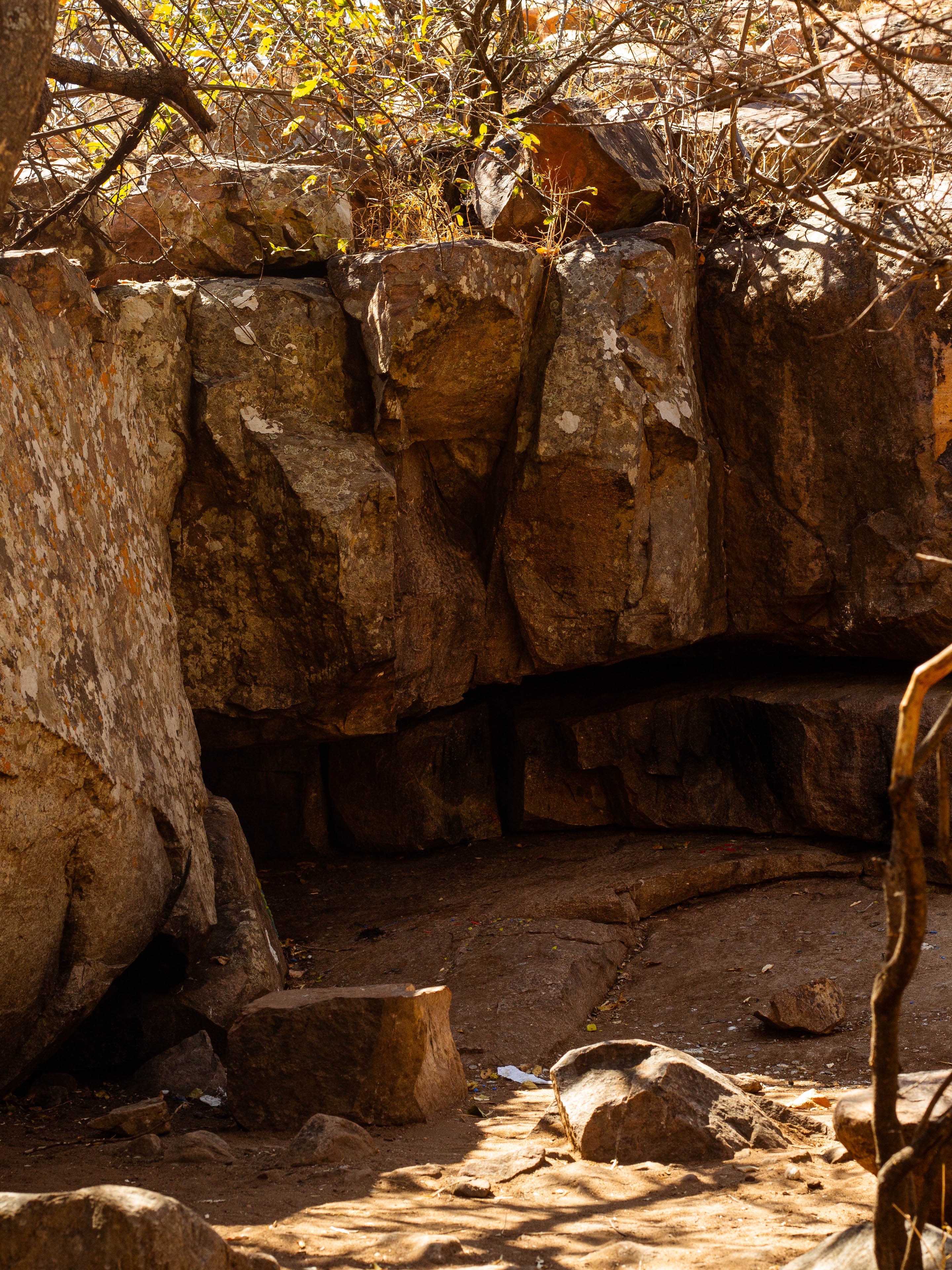
Welcome to The Gallery
of Botswana!

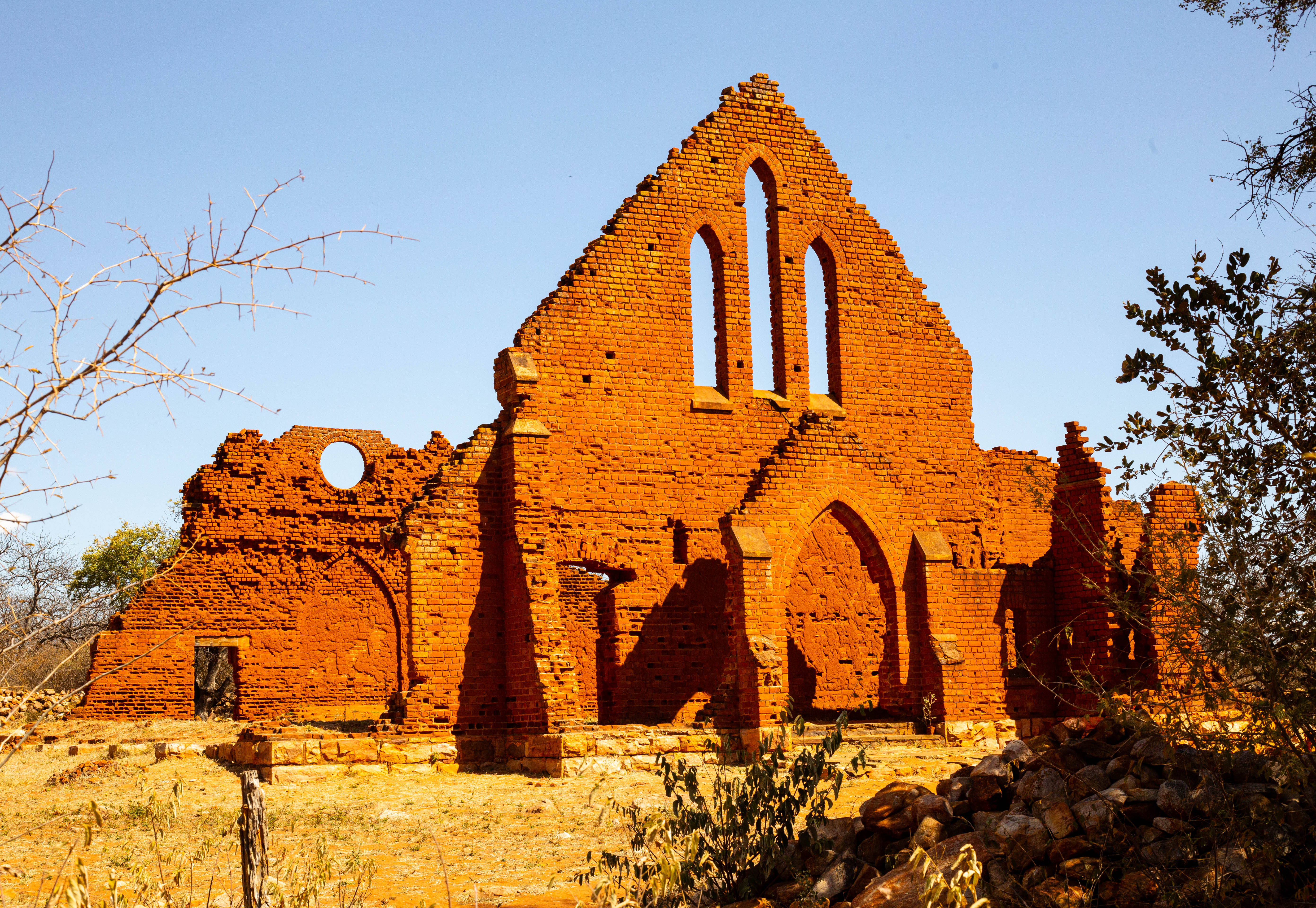
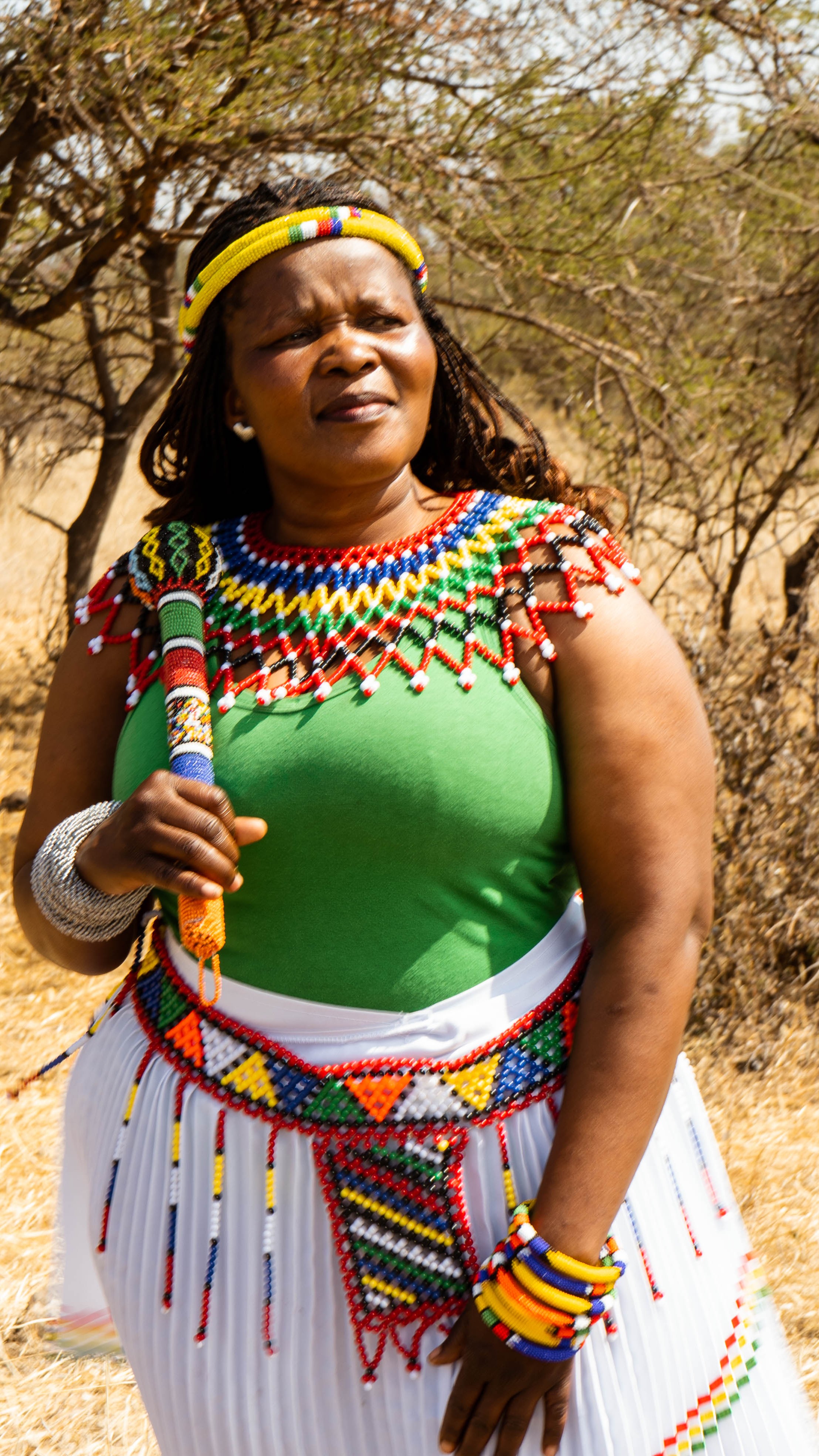
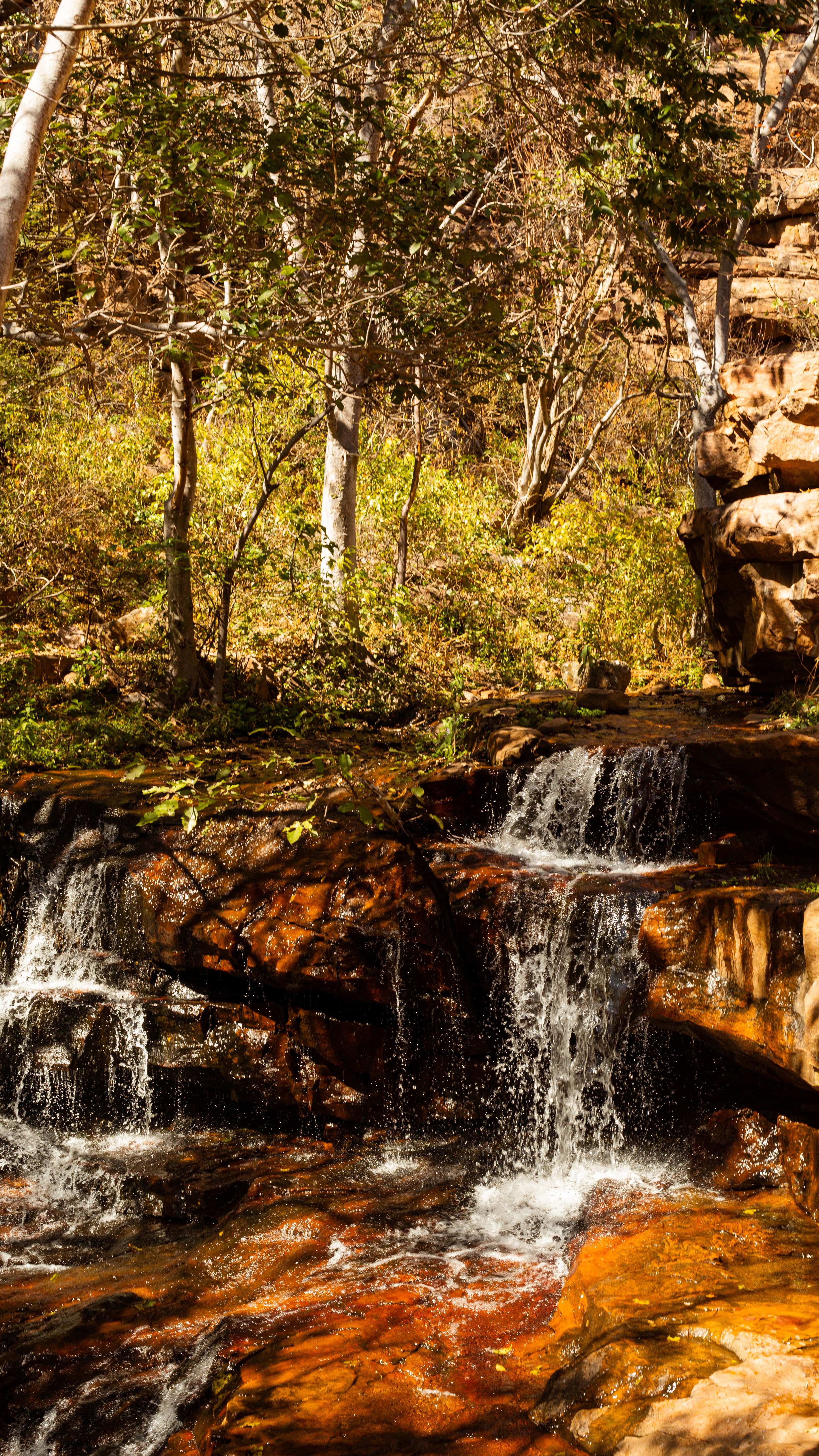
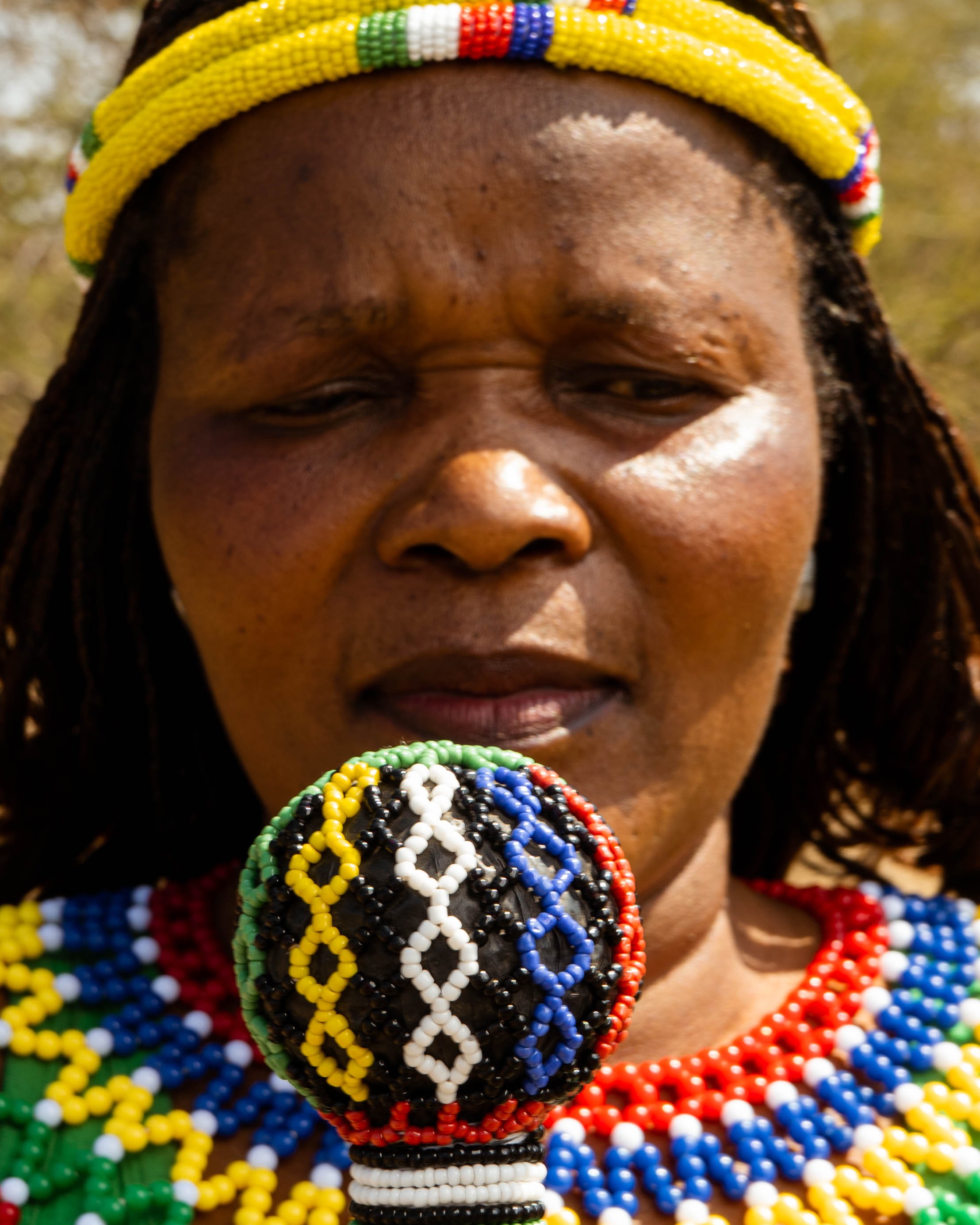
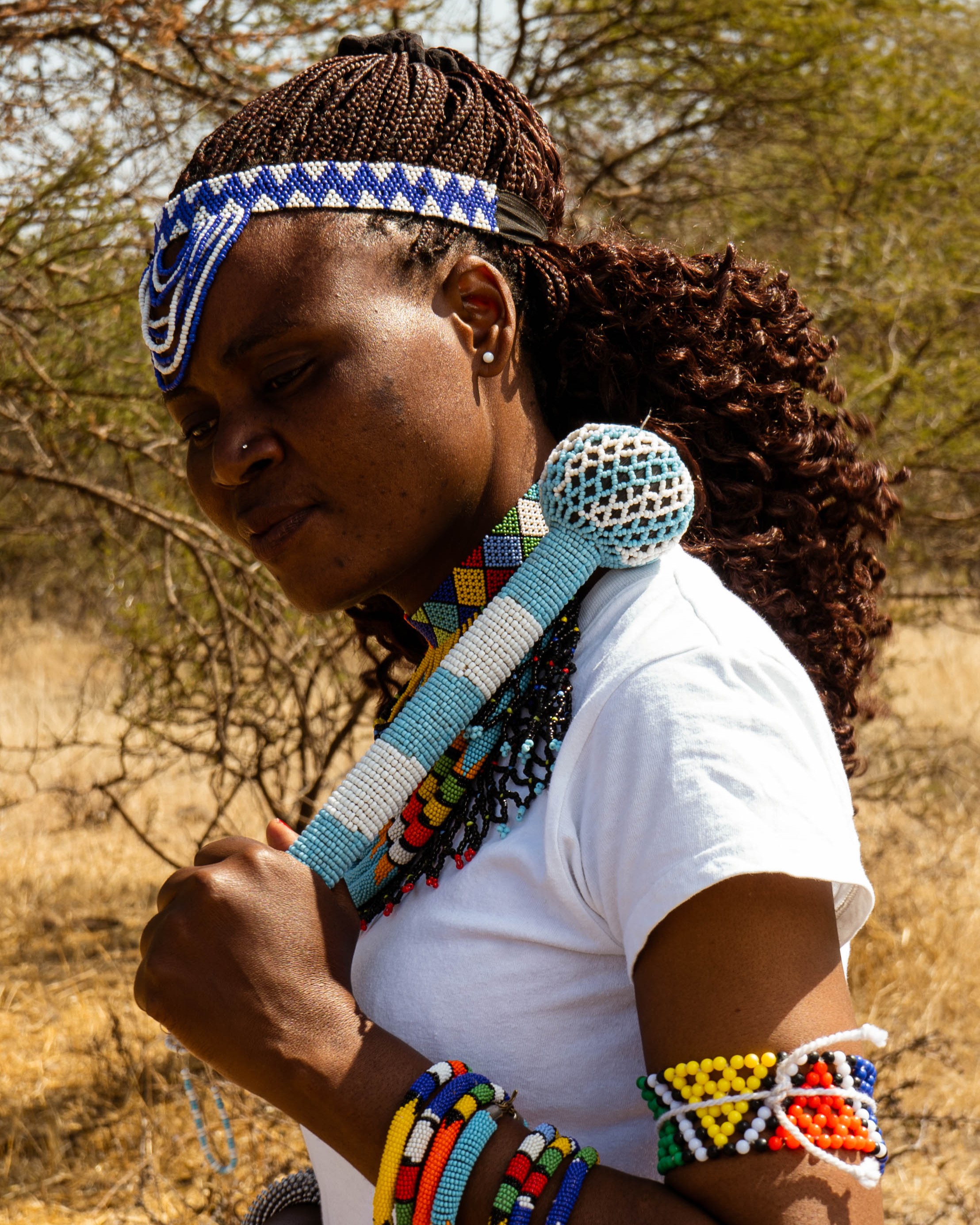
Discover the beauty, pride, and living history of Botswana through powerful images that celebrate its diverse tribes and cultures.
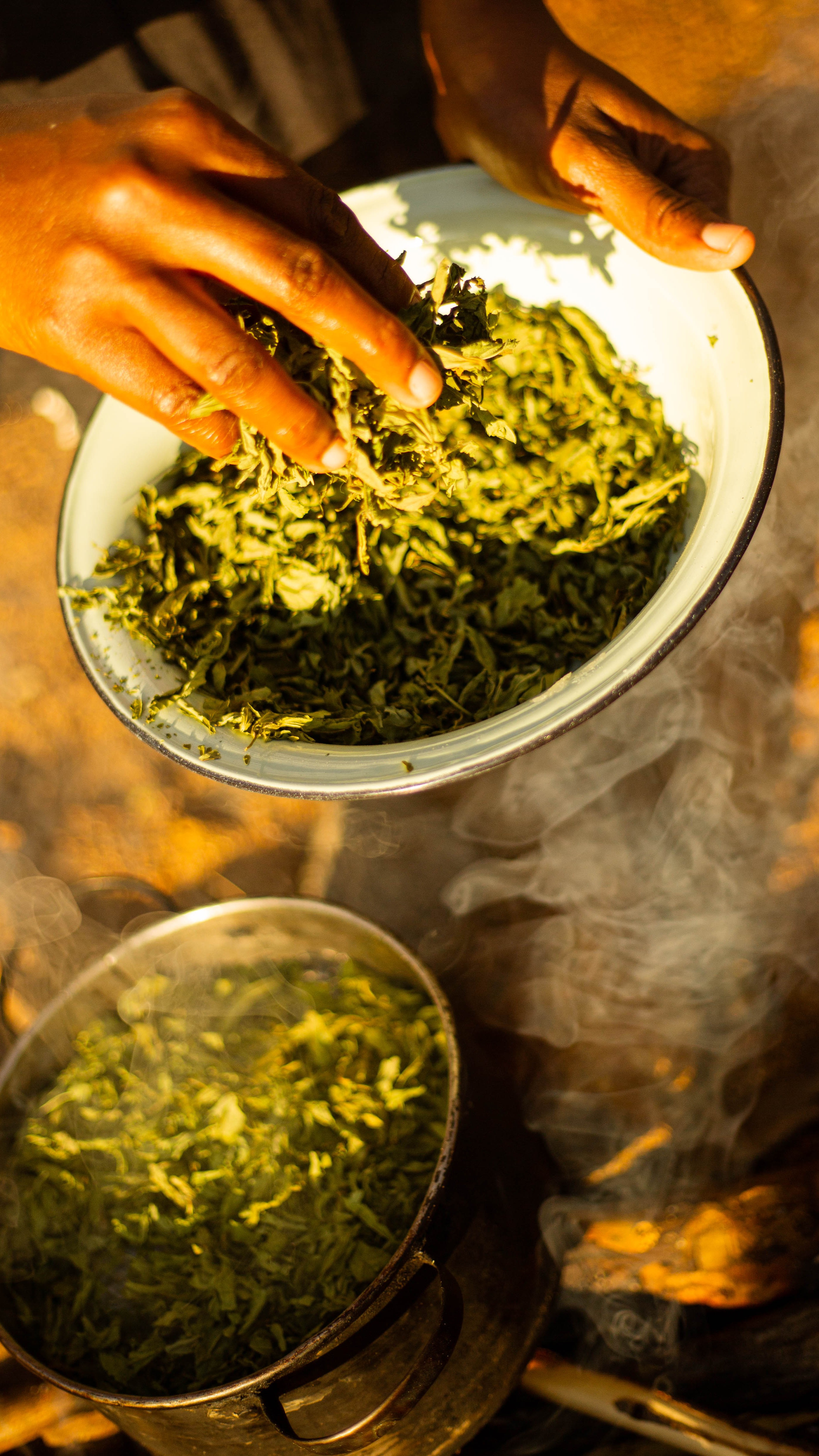
Our collection brings you closer to the people behind the stories—each photograph capturing tradition, identity, and everyday life across Botswana.

Explore Now →

New Releases

BABIRWA 12

1000 pula

Buy Now→

BAKALANGA 5

3000 pula

Buy Now→

BANGWANTO 12

2900 pula

Buy Now→

BATSWAPONG 4

2600 pula

Buy Now→

More on Artstation

BATSWAPONG 2

1700 pula

BABIRWA 3

1900 pula

BAKALANGA 16

1100 pula

BANGWANTO 12

2800 pula

BANGWANTO 5

1200 pula

BAKALANGA 20

3000 pula

BABIRWA 6

2200 pula

BATSWAPONG 1

1800 pula

MEET THE

BANGWATO TRIBE

The Bangwato trace their origins to a split from the Bakwena under a leader named Ngwato, believed to have lived around the 16th century. In the 1840s, under Sekgoma I, they settled in the Shoshong hills after driving out the Bakaa, making Shoshong their capital from 1838 to 1889. Due to problems such as water shortages, Kgosi Khama III moved the capital to Old Palapye (Phalatswe) in 1889, and later to Serowe in 1902, which became the permanent capital. Khama III ruled from 1875 until his death in 1923. He was briefly succeeded by Sekgoma II (1923–1925), after whose death Tshekedi Khama became regent in 1926 for the young heir, Seretse.
Find More→

MEET THE

BAKALANGA TRIBE

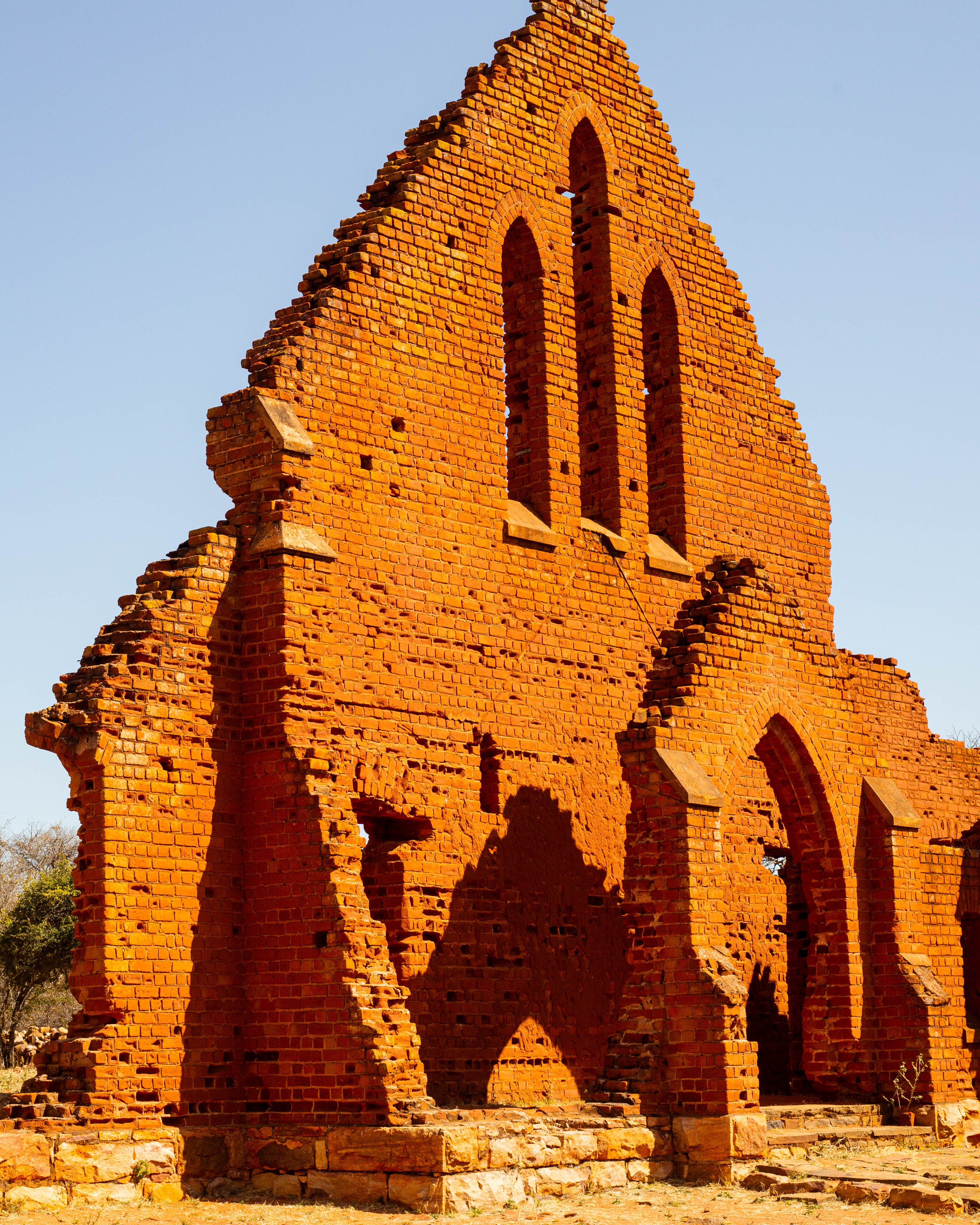
The Kalanga trace their early roots to Leopard’s Kopje farming communities in the Shashe Limpopo region, with early chiefly societies emerging around AD 1000 and major changes during the Mapungubwe period (around AD 1220). After Mapungubwe declined around AD 1320, Kalanga linked groups associated with Khami pottery traditions moved south from Zimbabwe. By AD 1400–1450, Khami became the capital of the Torwa (Butua) state, whose influence spread into Botswana and across the Limpopo in the early 15th century, with key leadership centers such as Machemma south of the Limpopo. Around AD 1500, a dry period caused Kalanga groups to withdraw, but they later returned when rainfall improved. In Botswana, Kalanga related archaeological sites are especially found in the Tuli area and along major rivers like the Shashe, Motloutse, and Tati, as well as hilltop stonewalled sites near Francistown, including places like Nyangabwe and Selolwe. Find More→

MEET THE

BABIRWA TRIBE

Babirwa origins are traced to Nareng, south of Bolobedi in the Letswalo country near Phalaborwa, where they are placed between 1510 and 1599. From Nareng, they moved under Chief Tshukudu to the Blauwberg area in the former Transvaal. In the early 1800s, especially around the 1820s, the group began to fragment. After conflicts involving leaders Dauyatswala and Makhure, a section from Makhure’s line was attacked by Mzilikazi’s Ndebele in 1837. This forced a migration toward present-day Botswana led by Sekoba, one of Makhure’s sons, together with his brothers. They eventually settled in Bobirwa, an area between the Shashe River and the Tuli Block, extending eastward to about 28°15′E. Today, Babirwa communities are found in villages such as Bobonong, Gobajango, Lentswe-le-Moriti, Mathathan,Molalatau,Mothabaneng, Semolale, and Tsetsebjwe. Find More→

MEET THE

BATSWAPONG TRIBE

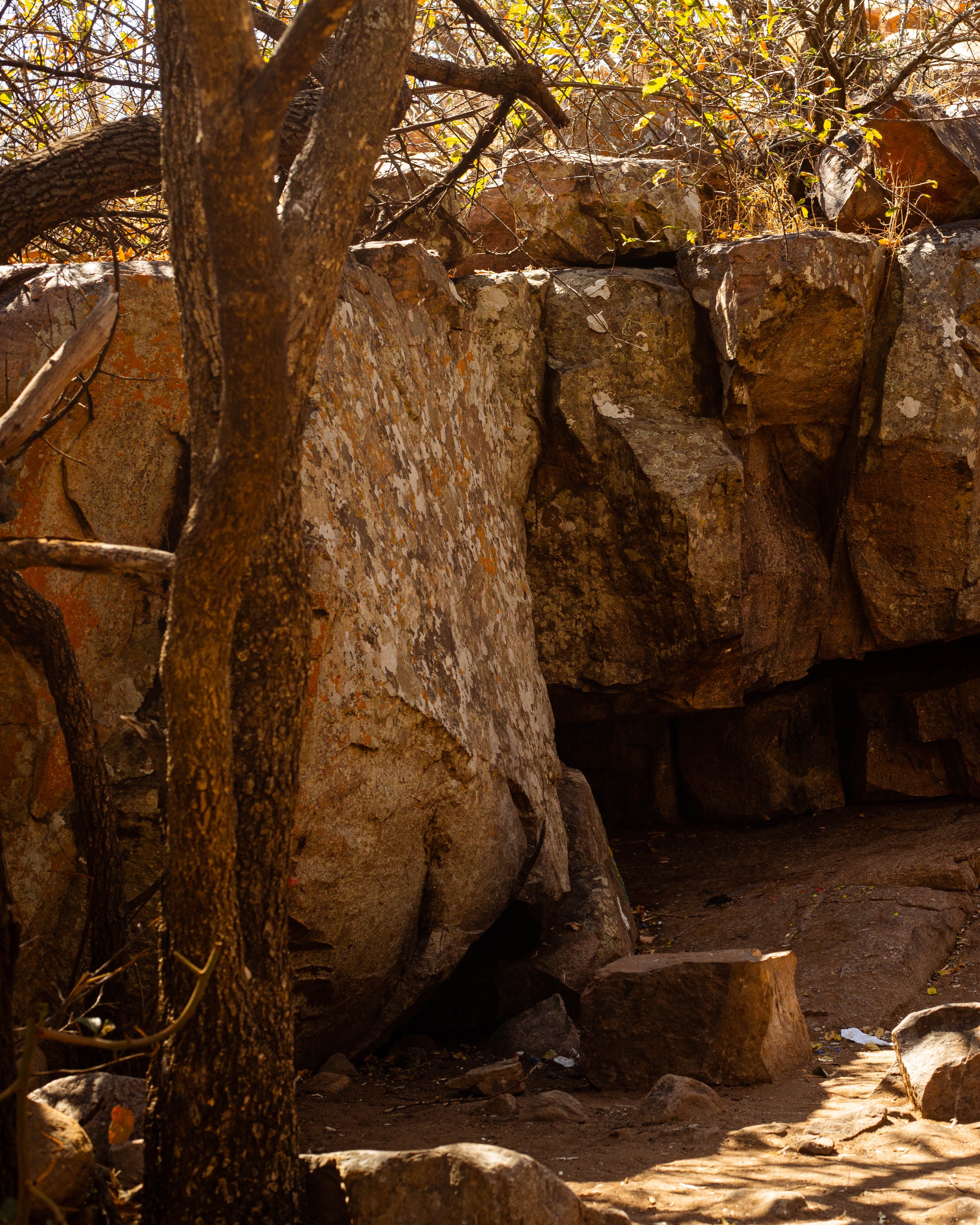
In the late 1700s, several migration waves brought Sotho speaking groups into the area, and by this time the Moremi Pedi had established themselves as the “spiritual lords” of the hills. Their leader, Mapulana, controlled settlement by granting permission to newcomers and receiving tribute. In the early 1800s, the region became a frontier zone between expanding political powers. In 1860, the stronghold of Lerala was conquered by the Ngwato king, turning the area into a tribute-paying outer zone of the Ngwato kingdom. During the late 1800s into the 1890s, Ngwato control became more direct, with resident governors, organized tribute systems, and by 1896 reports of villages being placed under Bamangwato officials who collected taxes Find More→

Going through this site feels like walking through a visual story. You’re not just seeing images,you’re seeing people, places, and moments that actually mean something. Each picture has context, so you understand what you’re looking at and why it matters. It makes history and culture feel close and real, not distant or boring. You can get lost in it for a while just clicking, reading, and learning without even trying.

Thobo Kgari

There’s also something personal about it. The images don’t feel random—they feel chosen, like someone really cared about what they were showing. You start to feel respect for the cultures and histories being shared. By the time you’re done browsing, it feels like you didn’t just visit a website, you visited a world.

Miriam Jane

It feels like the site is taking you on a journey. You move from one image to the next and slowly start to see how everything connects different people, different places, different times. Every photo adds a new piece to the story, so you’re always curious about what comes next. It’s the kind of site where you come to “just look,” but end up staying because you’re learning without realizing it.
Deborah Ayo